
News
20.04.2026
From Hatcheries to Trail Building: HDPE Pipe
What do hatcheries and local trail networks have in common? Believe it or not, it's high-density polyethylene (HDPE) pipe.
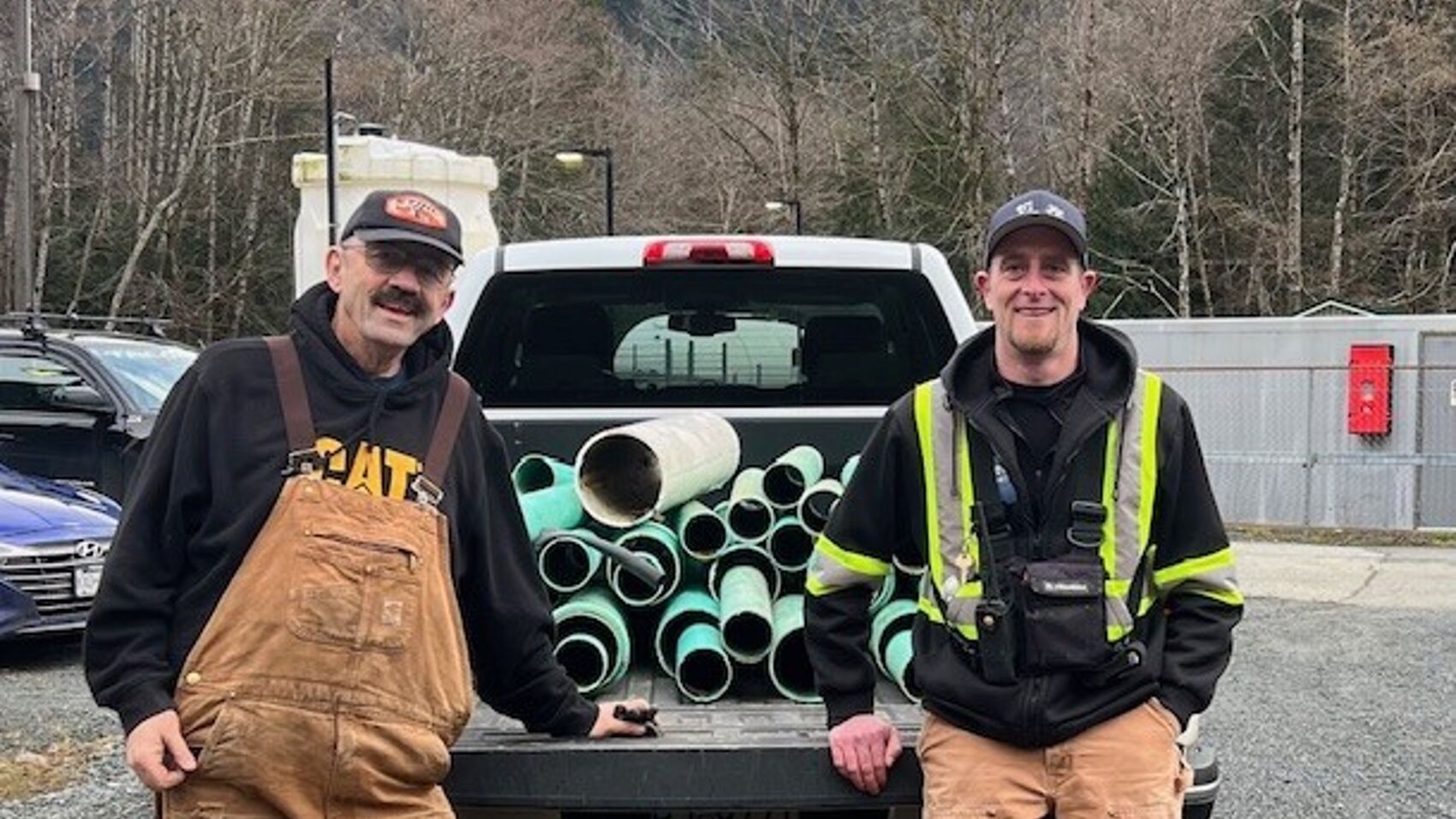
High-density polyethylene (HDPE) pipe is a strong, versatile thermoplastic made from petroleum, known for its high strength-to-density ratio, chemical resistance and durability. It's used in milk jugs, pipes, cutting boards, and lumber and is identifiable by the recycling symbol #2. It's ideal for rigid items but also recyclable and workable into many forms. We use a lot of it at Cermaq BC hatcheries.
Gordon Nettleton is a UROC-approved (United Riders of Cumberland) volunteer trail builder in Cumberland. He approached us awhile back, looking for leftover HDPE lengths. Our first thought was WHY? Turns out he uses them for drainage while building and maintaining new and existing trails.
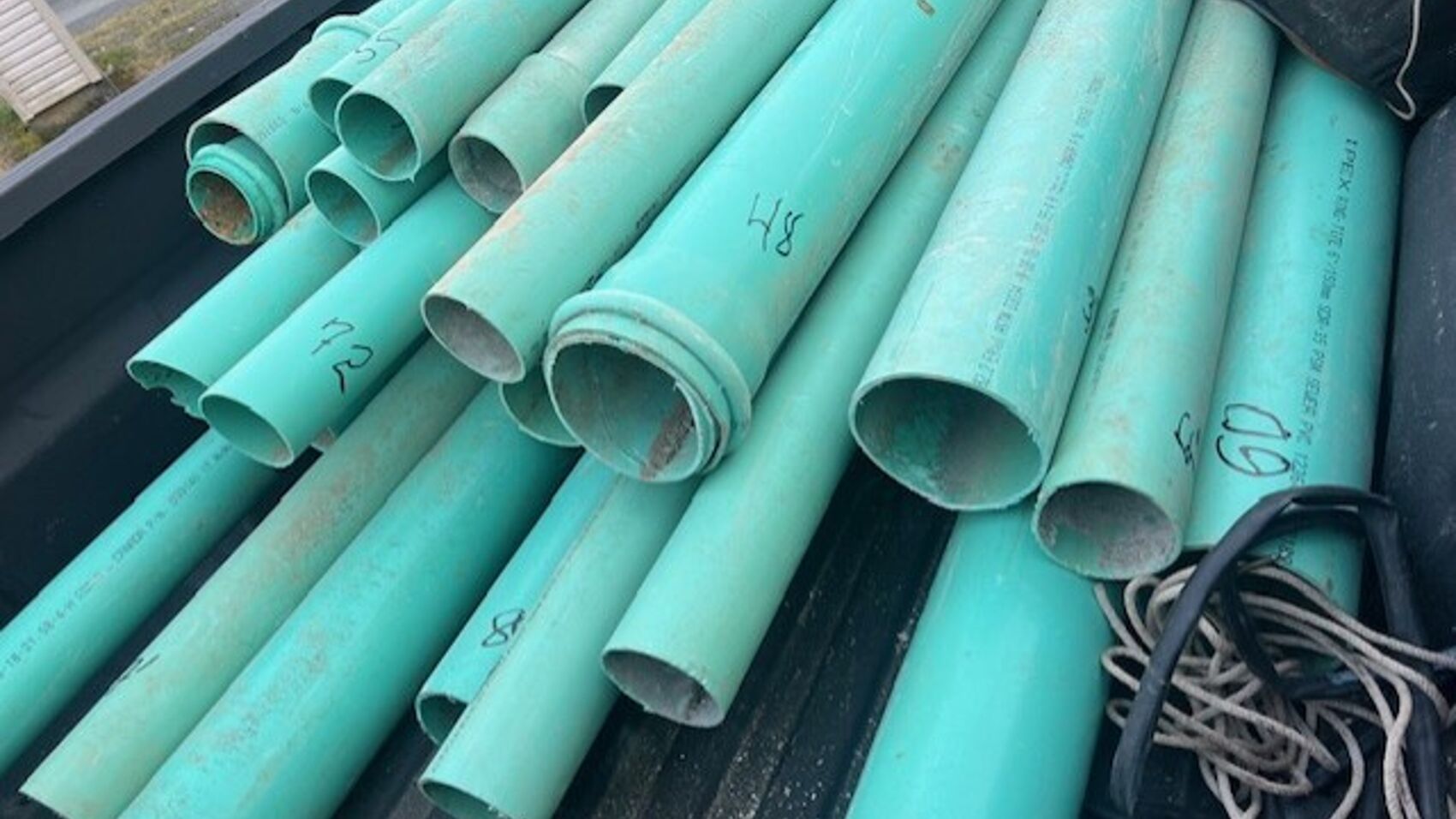
According to Gordon, trail building has changed dramatically over the past 10 years. Gordon's goal is making anything they work on ridable by adaptive bikes. These are the three-wheel, hand-powered e-bikes which require at least 36” of trail width.
And drainage is one of their largest challenges. "Where at one time a simple plank over a watercourse would be sufficient, we go in and rebuild crossing a bit wider," says Gordon. "Adjusting one 'pinch point' on a trail can open up 1,000 meters of trail for our adaptive crowd." Gordon has been using our leftover HDPE pipe for drainage through these wet areas on the trail.
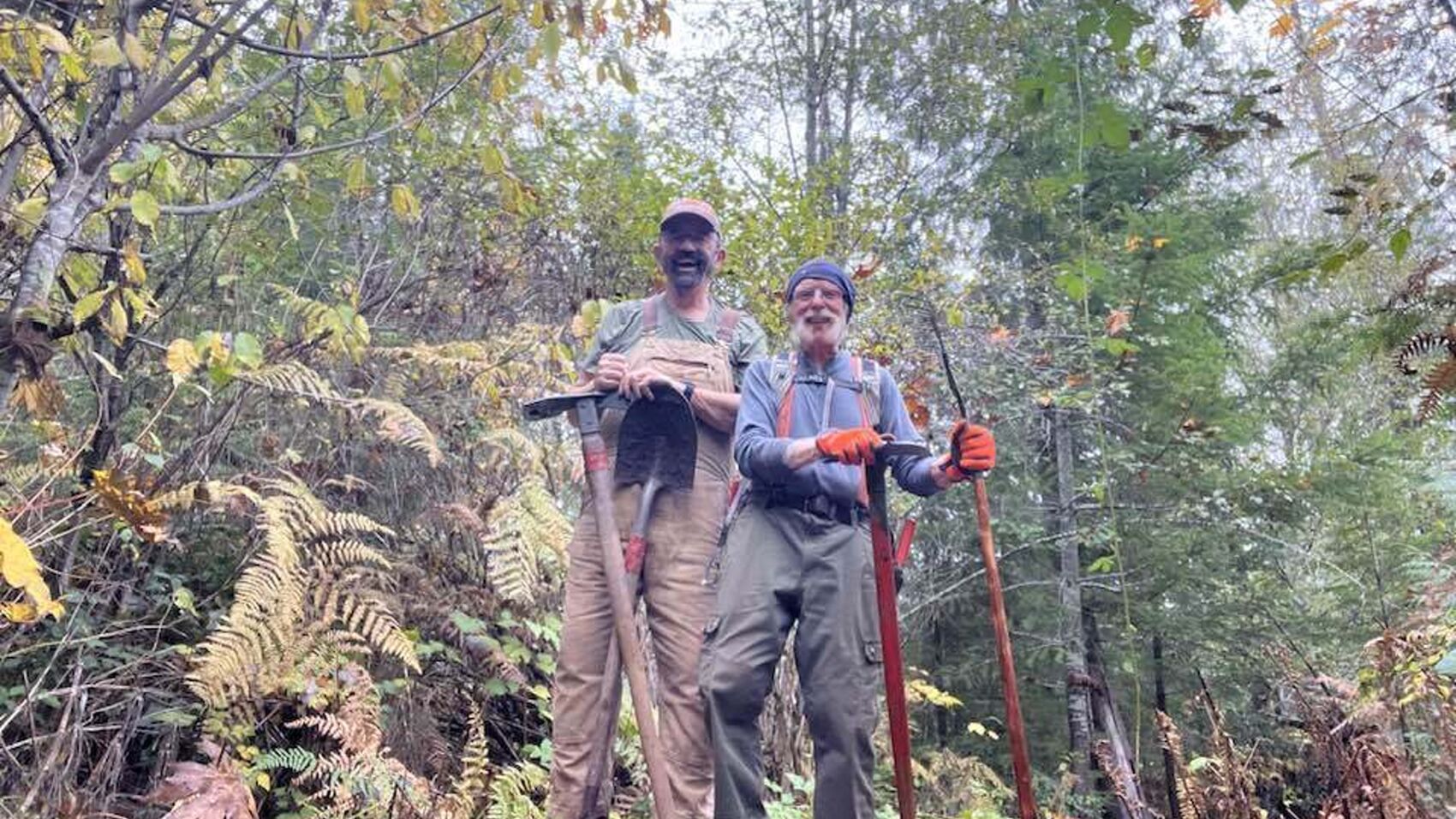
In the past five years Gordon and his crew of self-proclaimed "Old Guys" have opened up approximately 25 km of trail that was previously inaccessible to adaptive riders.
We are proud to play a small role in helping Gordon meet his goal.